

Construction lending Colorado is a powerful driver of historic neighborhood revitalization and property value improvement. Lenders offer specialized rehabilitation loans with various programs and incentives, including tax credits, for borrowers seeking to revitalize older properties. The process involves meticulous application, lender assessment, phased disbursement, and strategic financing choices based on project scope, budget, and timeline. Key strategies for success include comprehensive cost analysis and value-add renovations. Borrowers should navigate construction lending Colorado options strategically, combining sound practices with data to maximize returns in a competitive market.
In today’s dynamic real estate market, property rehabilitation has emerged as a powerful catalyst for urban renewal, transforming distressed assets into vibrant communities. However, securing financing for these complex projects presents a significant challenge, particularly in areas like Colorado where construction lending guidelines are stringent. This article delves into the intricacies of property rehabilitation financing, offering insights tailored to Colorado’s unique landscape. We explore innovative strategies and best practices that enable developers, investors, and entrepreneurs to navigate this intricate process successfully, unlocking the full potential of rehabilitation projects across the state.
- Understanding Property Rehabilitation Financing in Colorado
- Eligibility Criteria for Construction Lending
- The Process: From Application to Disbursement
- Types of Loans: Options for Your Renovation Project
- Maximizing Returns: Strategies for Successful Rehabilitation
Understanding Property Rehabilitation Financing in Colorado
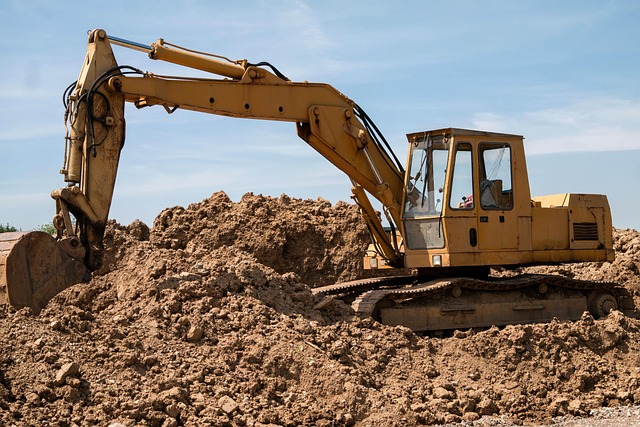
In Colorado, property rehabilitation financing plays a pivotal role in revitalizing older properties and breathing new life into historic neighborhoods. The state’s robust construction lending landscape offers various loan programs tailored to meet the unique needs of property rehab projects. These initiatives are not merely financial tools; they serve as catalysts for community development, environmental sustainability, and economic growth.
Colorado’s construction lending market is characterized by a diverse range of lenders, including banks, credit unions, and specialized mortgage companies, each offering distinct rehabilitation loan products. For instance, the state’s First-Time Homebuyer programs often include provisions for property renovation, enabling first-time buyers to both acquire a home and fund necessary repairs. Furthermore, community development banks actively participate in construction lending Colorado by providing low-interest loans and grants specifically targeted at neighborhood revitalization projects. These institutions recognize the long-term benefits of revitalized communities on local economies.
A key aspect of property rehabilitation financing in Colorado is the availability of tax incentives and grants. The state offers various programs, such as the Historic Preservation Tax Credit, which encourages investors to fund and rehabilitate historically significant properties. According to recent data, these tax credits have leveraged millions of dollars in private investment for construction lending Colorado projects, resulting in substantial community benefits, including job creation and improved property values. Understanding these financing options and navigating the regulatory environment is crucial for developers, investors, and homeowners looking to embark on successful rehabilitation projects within the state.
Eligibility Criteria for Construction Lending

In Colorado, property rehabilitation financing plays a pivotal role in reviving historic structures and revitalizing communities. Construction lending is a specialized sector within this domain, offering financial support for projects that restore and enhance existing properties. However, securing construction loans can be a complex process, with strict eligibility criteria designed to mitigate risk. Lenders carefully assess each project’s feasibility, focusing on factors like property value post-rehabilitation, the scope of work, and borrower creditworthiness.
Colorado’s construction lending landscape is characterized by a blend of traditional banks, non-profit development organizations, and private lenders, each with its own set of eligibility requirements. For instance, many institutions require a minimum 20% equity contribution from the borrower, demonstrating their investment in the project’s success. Additionally, lenders often mandate detailed rehabilitation plans and cost estimates, ensuring funds are allocated efficiently. A key consideration is the property’s potential increase in value; lenders typically seek projects with a clear path to significant appreciation post-rehabilitation.
Practical insights for borrowers seeking construction lending in Colorado include building a robust business plan that outlines project costs, timelines, and expected returns. Maintaining strong credit scores and providing financial statements can enhance borrowing power. Engaging with lenders early in the planning stage allows borrowers to understand their options and tailor proposals accordingly. Moreover, exploring state and local incentives related to historic preservation can provide additional financial support for these worthwhile rehabilitation projects.
The Process: From Application to Disbursement
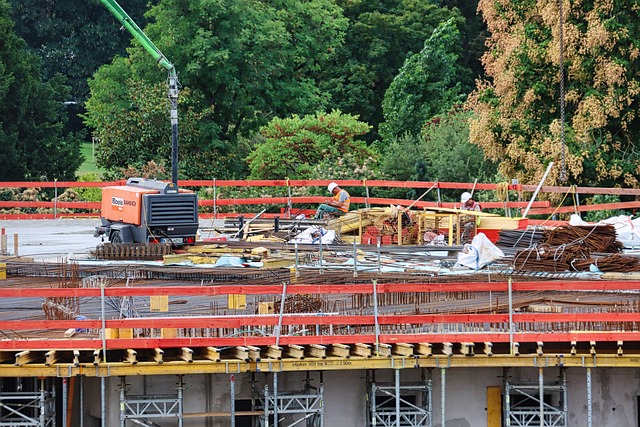
The journey of property rehabilitation financing, from application to disbursement, is a meticulous process demanding a deep understanding of construction lending dynamics, especially within the unique landscape of Colorado. This state, renowned for its breathtaking landscapes, also boasts a robust real estate market, driving demand for specialized funding solutions. Construction lenders in Colorado play a pivotal role in bringing dilapidated or underutilized properties back to life by providing the financial muscle required for extensive renovations.
The initial step involves a thorough application process where prospective borrowers meticulously outline their rehabilitation plans and budget projections. This includes detailed architectural designs, cost estimates from local contractors, and a compelling narrative justifying the project’s viability. Lenders in Colorado closely scrutinize these applications, assessing factors like property value, location, market demand, and the borrower’s financial history. For instance, a historic home in Denver, needing extensive restoration, might appeal to lenders due to its potential as a luxury residence, but careful analysis is required to ensure both the project’s feasibility and the lender’s security.
Upon approval, the construction loan is disbursed in phases, aligning with the project’s milestones. This methodical approach ensures funds are released only when specific stages of renovation are completed, enhancing transparency and accountability. For instance, a $500,000 rehabilitation loan for a commercial property in Colorado Springs might be structured to disburse 25% upon signing the contract, 35% after completing the foundation work, 40% upon completion of the structural frame, and the remaining 10% upon final inspection and project closure. This progressive disbursement not only safeguards against fraud but also provides borrowers with a clear roadmap for their renovation endeavors.
Types of Loans: Options for Your Renovation Project

When embarking on a property rehabilitation project in Colorado, understanding your financing options is crucial. Construction lending Colorado offers various loan types tailored to cater to different renovation scales and needs. A common misconception is that these loans are solely for new construction; however, they are accessible for revitalizing existing properties as well.
One popular option is the traditional home improvement loan, designed for smaller-scale projects. These loans often require minimal documentation and offer flexible terms, making them ideal for cosmetic renovations or updates. For larger-scale transformations, a more comprehensive approach is warranted. Construction-to-permanent (CTP) loans provide funding throughout the renovation process and subsequent property ownership. This option streamlines financing, as one loan covers both the construction and long-term mortgage needs, with interest rates often competitive within the market. Another specialized choice is the hard money loan, typically employed for short-term, high-value projects. These loans offer rapid approval and funding but come with higher interest rates and more stringent repayment terms compared to traditional options.
It’s essential to assess your project scope, budget, and timeline when selecting a construction lending Colorado option. For instance, a minor kitchen remodel may be suitable for a home improvement loan, while a complete property restructure would benefit from a CTP loan or hard money financing based on the investment required. Comparing interest rates, repayment periods, and fees across different lenders is key to making an informed decision that aligns with your project’s unique demands.
Maximizing Returns: Strategies for Successful Rehabilitation

Maximizing returns in property rehabilitation projects requires a strategic approach, especially when navigating construction lending Colorado markets. Successful rehabilitators understand that each project presents unique challenges and opportunities, demanding tailored strategies to achieve significant gains. This involves not only meticulous planning but also staying abreast of market trends, local regulations, and innovative financing options.
One key strategy is comprehensive cost analysis, which includes both hard and soft costs. Hard costs refer to tangible expenses like materials and labor, while soft costs encompass permits, architectural designs, and legal fees. Accurately estimating these costs is crucial for securing adequate funding and avoiding budget overruns. For instance, a recent study by the National Association of Realtors revealed that renovation projects in Colorado typically saw returns of 15-20% on average, with the highest-performing properties generating up to 30% ROI. To achieve such outcomes, investors must carefully vet construction lenders in Colorado for competitive rates and flexible terms.
Another effective approach is focusing on value-add strategies during rehabilitation. This involves enhancing a property’s appeal and marketability through cosmetic upgrades, modernizations, or strategic renovations that cater to in-demand features. For example, converting a distressed single-family home into a multi-unit rental property can significantly increase its value, offering both higher returns and increased occupancy rates. By combining sound construction lending practices with data-driven decisions, savvy investors can maximize their investment returns, even in competitive Colorado real estate markets.
In exploring property rehabilitation financing in Colorado, this article has illuminated key aspects of construction lending, from understanding the process to maximizing project returns. Readers now possess a comprehensive grasp of eligibility criteria for construction lending in Colorado, navigating the loan application and disbursement phases, and selecting suitable loan types for renovation projects. Furthermore, practical strategies for successful rehabilitation have been outlined, empowering individuals to make informed decisions that optimize investment outcomes. By synthesizing these insights, readers are equipped with the knowledge necessary to confidently embark on their property rehabilitation endeavors, leveraging construction lending options in Colorado to transform properties into vibrant, valuable assets.