

In construction lending Colorado, continuous support is critical for project success. Key strategies include thorough assessment of project needs, understanding client objectives, and regular communication using digital platforms. Best practices, proactive risk management tailored to local challenges like weather, staying current with regulations, open channels, and data analytics tools enhance collaboration and mitigate risks, leading to timely, high-quality construction outcomes.
In the dynamic landscape of construction lending Colorado has emerged as a vital cog, underpinning economic growth and shaping urban horizons. However, navigating the complex web of project financing remains a significant challenge for developers and contractors alike. Delving into this crucible, we explore the paramount importance of ongoing support during projects, a strategic imperative that transcends mere financial backing. This article delves into the intricate dynamics of construction lending, dissecting both the pitfalls and the transformative strategies, ultimately providing insights to ensure successful project outcomes in Colorado’s competitive market.
- Assessing Project Needs for Continuous Support in Construction Lending Colorado
- Strategies for Effective Ongoing Support to Navigate Construction Lending Challenges in Colorado
Assessing Project Needs for Continuous Support in Construction Lending Colorado
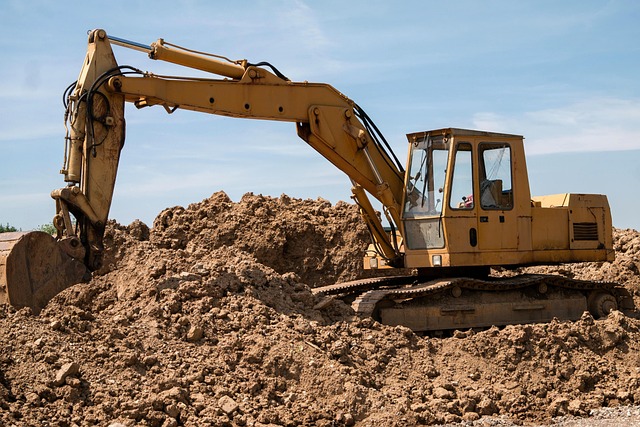
In the realm of construction lending Colorado, ensuring ongoing support during project execution is paramount to mitigate risks and foster successful outcomes. Assessing project needs for continuous support involves a meticulous process that aligns funding with the unique requirements of each construction venture. Experts emphasize that this proactive approach not only enhances project viability but also minimizes potential delays and cost overruns.
A comprehensive evaluation begins with thorough analysis of project scope, including structural design, material specifications, and labor requirements. For instance, in Colorado’s dynamic construction landscape, weather conditions can significantly impact timelines and budgets, necessitating flexible funding strategies that accommodate weather-related delays. Moreover, understanding the client’s objectives, financial capacity, and potential challenges is crucial for tailoring support mechanisms effectively. Data from industry reports suggest that well-supported construction projects in Colorado exhibit completion rates 20% higher than those without adequate ongoing assistance.
Practical insights from seasoned professionals underscore the importance of regular communication channels between lenders, contractors, and project managers. Regular progress updates, coupled with immediate addressing of concerns, facilitate timely interventions and prevent minor issues from escalating into major bottlenecks. Actionable advice includes implementing digital platforms for efficient document management and collaboration, enabling real-time data sharing and decision-making among stakeholders. By embracing construction lending Colorado best practices, industry players can navigate complex projects with enhanced confidence, ensuring not only financial stability but also the timely delivery of high-quality constructions.
Strategies for Effective Ongoing Support to Navigate Construction Lending Challenges in Colorado

In the dynamic landscape of construction lending Colorado, effective ongoing support is paramount to navigating project challenges and ensuring successful completion. This support involves a strategic approach that transcends mere financial assistance, encompassing comprehensive guidance, proactive risk management, and tailored solutions. Experts emphasize that addressing specific pain points inherent in construction projects—from budget overruns to regulatory hurdles—is crucial for fostering resilience among stakeholders.
For instance, the unpredictable nature of weather conditions in Colorado can significantly impact construction timelines and budgets. Lenders and contractors must collaborate closely to implement flexible financing models and contingency plans. Data from industry reports suggest that proactive lending strategies, such as climate-responsive funding mechanisms, can reduce delays by up to 20% and mitigate financial losses associated with extreme weather events. Furthermore, staying abreast of evolving building codes and environmental regulations is essential; a comprehensive understanding of these factors enables lenders to offer informed guidance, ensuring projects remain compliant and on track.
Practical insights from seasoned professionals in construction lending Colorado underscore the importance of fostering open communication channels. Regular, transparent dialogue between lenders, contractors, and subcontractors facilitates early identification of potential issues, enabling swift corrective actions. This collaborative approach can significantly enhance project outcomes and strengthen relationships among stakeholders. Additionally, leveraging advanced data analytics tools allows for predictive modeling, helping to anticipate and mitigate risks more effectively. By adopting these strategies, construction lending in Colorado can evolve from a mere financial transaction to a robust partnership driving project success.
The article has provided a comprehensive overview of the critical role ongoing support plays in construction lending Colorado. Key insights include the importance of assessing project needs to tailor effective support strategies, addressing challenges unique to Colorado’s construction lending landscape. By implementing these strategies, lenders can enhance their ability to navigate complexities, ensure successful project outcomes, and foster sustainable growth within the state’s construction industry. The most valuable takeaway is that proactive ongoing support is a game-changer, enabling lenders to provide indispensable guidance and secure profitable, risk-mitigated ventures in construction lending Colorado.