

Flexible repayment terms in Colorado's construction lending market offer contractors and developers lower initial payments during project uncertainties, reducing financial strain. Lenders provide tailored plans with variable interest rates, payment caps, and strategic adjustments, leading to improved financial health and reduced default risks. This approach stimulates the industry, catering to unique cash flow needs, improving loan accessibility, and enhancing client satisfaction. Borrowers should seek expert advice from seasoned lenders for customized solutions, robust financial governance, and successful outcomes in construction lending Colorado.
In the dynamic landscape of construction lending Colorado, flexible repayment terms have emerged as a vital component shaping project feasibility and investor confidence. As complex construction projects navigate ever-changing market conditions, the ability to tailor repayment schedules becomes crucial for ensuring financial stability and long-term success. This article delves into the intricacies of flexible repayment structures, exploring their role in mitigating risk, fostering innovation, and driving sustainable growth within Colorado’s thriving construction sector. By examining real-world examples and industry insights, we provide a comprehensive guide for stakeholders to navigate this critical aspect of construction financing with confidence.
- Understanding Flexible Repayment Terms in Construction Lending Colorado
- Benefits and Risks: Navigating Flexibility in Construction Loans
- Best Practices for Implementing Flexible Repayment Plans Colorado Construction Lending
Understanding Flexible Repayment Terms in Construction Lending Colorado

In the realm of construction lending Colorado, flexible repayment terms have emerged as a game-changer for both lenders and borrowers. This innovative approach allows contractors and developers to align their financial obligations with the natural ebb and flow of project cash flows, ensuring stability and predictability throughout the building process. Unlike traditional fixed-rate loans, flexible repayment options provide borrowers with the ability to adjust their monthly payments based on project milestones and market conditions, thereby minimizing financial strain during challenging phases.
Consider a scenario where a contractor in Colorado is undertaking a large-scale residential development. The initial construction phase requires substantial capital for land preparation, foundation laying, and framing. During this period, cash flow may be unpredictable due to weather delays or supply chain disruptions. With flexible repayment terms, the borrower can secure a loan with lower initial payments, allowing them to manage immediate expenses while reserving funds for anticipated future peaks in construction costs. As the project progresses and reaches critical stages like roof completion or interior finishing, repayment can be adjusted upwards, reflecting increased material and labor demands.
Expert lenders in Colorado’s construction lending market recognize that one-size-fits-all loan structures often fail to cater to the unique needs of construction projects. To address this gap, many financial institutions now offer tailored flexible repayment plans, incorporating features like variable interest rates, payment caps, and scheduled increases. For instance, a lender might propose a plan where the first year’s payments are fixed at a lower rate, followed by quarterly adjustments based on project milestones and market interest rate trends. This approach not only eases cash flow pressure but also incentivizes timely project completion, as borrowers are motivated to meet repayment goals to avoid higher rates in subsequent periods.
Data from industry surveys reveals that construction companies in Colorado that adopt flexible repayment terms report improved financial health and reduced default risks. By aligning loan structures with project timelines, these companies demonstrate enhanced ability to manage cash flows, negotiate better supplier terms, and maintain strong relationships with lenders. As the construction lending landscape in Colorado continues to evolve, understanding and leveraging flexible repayment options will be a strategic move for industry players, ensuring long-term sustainability and success.
Benefits and Risks: Navigating Flexibility in Construction Loans

Construction lending in Colorado offers a unique landscape where flexible repayment terms play a pivotal role in navigating the complexities of building projects. This approach provides borrowers with the freedom to manage cash flow, but it also demands careful consideration of potential risks. The benefits of flexible terms can be significant, allowing developers and contractors to adapt to market fluctuations and unexpected challenges, ensuring project viability. For instance, during periods of economic downturn, adjustable rates or extended repayment periods can alleviate financial strain, preventing default and fostering a resilient construction sector.
However, the risks are not insignificant. Variable interest rates might initially appear appealing, but they could lead to higher overall costs if rates surge. Furthermore, borrowers must possess robust financial governance to manage cash flow effectively during periods of low revenue or unexpected delays. A case study from 2019 revealed that a Colorado-based contractor successfully utilized flexible lending terms to navigate a major project delay, resulting in minimal financial set-backs due to meticulous budget planning and a well-structured repayment strategy.
To harness the advantages while mitigating risks, borrowers should seek expert advice tailored to their specific needs. Engaging with seasoned construction lenders in Colorado who understand local market dynamics is crucial. These professionals can offer customized solutions, ensuring that flexible terms align with project goals and risk tolerance. Regular monitoring of financial metrics and proactive communication with lenders are essential practices for successful navigation through the intricate web of construction lending flexibility.
Best Practices for Implementing Flexible Repayment Plans Colorado Construction Lending
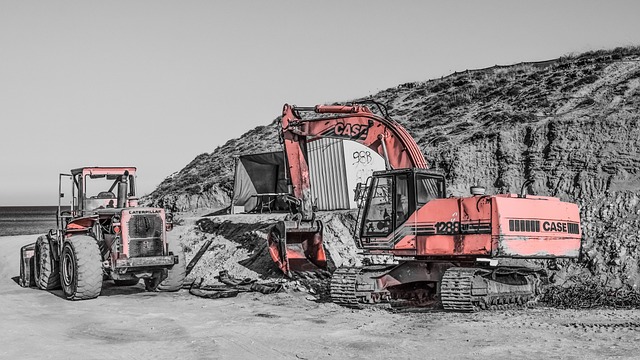
In the realm of Colorado construction lending, offering flexible repayment terms can significantly enhance loan accessibility and foster a robust building sector. This approach caters to the unique needs of contractors and developers, allowing them to manage cash flow effectively during often unpredictable construction cycles. Best practices involve tailoring repayment plans to project timelines and ensuring transparency throughout the process. For instance, a contractor undertaking a large-scale residential development in Denver might benefit from a plan that offers lower monthly payments during the initial excavation and foundation phases, increasing to higher amounts as construction progresses to the finishing stages. Such flexibility can prevent financial strain at critical project milestones.
Data suggests that constructive repayment structures lead to improved loan performance and higher client satisfaction rates. Lenders in Colorado have successfully implemented plans that include extended repayment periods for larger projects, coupled with variable interest rate adjustments based on market conditions. For instance, a lender might offer a 15-year repayment term with a floating interest rate linked to the prime rate, providing borrowers with protection against rising costs during construction, while still ensuring some cost predictability. This strategy not only encourages investment in Colorado’s construction landscape but also fosters trust between lenders and borrowers.
To ensure successful implementation, lenders should prioritize clear communication and proactive risk management. Regular check-ins with borrowers to assess progress and adjust repayment terms as needed are essential. Moreover, utilizing advanced analytics to forecast potential risks associated with specific projects can help lenders make informed decisions. By embracing these best practices, Colorado construction lending institutions can create a win-win scenario, supporting the state’s vibrant construction industry while mitigating financial exposure.
By exploring flexible repayment terms in construction lending Colorado, this article has illuminated both the advantages and potential drawbacks of such arrangements. It has underscored the ability of flexible plans to accommodate unique project needs and enhance borrower satisfaction in Colorado’s dynamic construction landscape. However, it has also emphasized the risks associated with extended repayment periods and the importance of robust risk management strategies. Through a review of best practices for implementing these plans, readers are now equipped to make informed decisions when navigating construction loans in Colorado. Key takeaways include the significance of clear communication, comprehensive documentation, and tailored structures that balance both borrower and lender interests. Moving forward, adopting these insights into Colorado’s construction lending landscape can foster more successful project outcomes and strengthen relationships between lenders and borrowers.