

Construction lending in Colorado experiences 15% growth, driven by flexible programs for residential and commercial projects. Early engagement with local lenders secures competitive rates and leverages market insights. Continuous communication reduces project delays by 30% and saves 15% on average through proactive problem-solving. Adaptive financing strategies manage market fluctuations, as demonstrated during the COVID-19 pandemic, ensuring long-term success in dynamic construction environments.
In the dynamic landscape of construction lending Colorado, ensuring sustained project support throughout every phase is paramount for success. As complex construction projects navigate their intricate journeys, seamless ongoing support becomes a critical pivot point between triumph and setback. This article delves into the intricacies of providing robust, adaptive support mechanisms tailored to meet the unique demands of construction endeavors in Colorado’s competitive market. By exploring best practices, emerging trends, and strategic insights, we aim to equip professionals with the tools necessary to foster durable project vitality and achieve outstanding outcomes.
- Understanding Construction Lending in Colorado: A Foundation for Support
- Continuous Communication: Key to Effective Project Support
- Adaptive Strategies: Ensuring Long-Term Success in Construction Projects
Understanding Construction Lending in Colorado: A Foundation for Support

In the dynamic landscape of construction projects, understanding access to financing is a cornerstone for successful completion. Colorado, with its vibrant construction sector, presents unique nuances in construction lending, crucial for informed decision-making. The state’s robust economy and growing infrastructure demand have fueled an increase in construction lending activities, offering both opportunities and challenges for project stakeholders. According to the latest industry reports, construction lending in Colorado has witnessed a 15% growth over the past year, underscoring the rising need for specialized financing solutions tailored to the state’s unique market dynamics.
Navigating construction lending in Colorado requires a deep understanding of local regulations, market trends, and available financial instruments. Local lenders have adapted to the diverse needs of projects ranging from residential developments to large-scale commercial ventures. For instance, many institutions offer flexible loan programs designed to accommodate the sporadic nature of construction schedules and budgets. These products, such as construction-to-permanent loans, provide a seamless transition from construction funding to long-term financing, ensuring continuity and stability for project managers. Moreover, Colorado’s robust network of community banks and credit unions offers smaller-scale projects accessible financing options, fostering local economic growth.
Experts emphasize the significance of early engagement with lenders for successful project outcomes. Developers should initiate conversations with financial institutions well in advance to discuss funding requirements and explore suitable loan products. This strategic approach enables a better understanding of market conditions, interest rates, and potential obstacles. For instance, developers can leverage construction lending expertise to secure competitive rates and terms, ensuring cost-effectiveness. Additionally, staying informed about state incentives and tax benefits related to construction projects can further optimize financial strategies, ultimately contributing to the success and sustainability of construction endeavors in Colorado.
Continuous Communication: Key to Effective Project Support

Continuous communication serves as a cornerstone for effective project support, especially within the demanding landscape of construction lending Colorado. Effective collaboration between lenders, borrowers, and all project stakeholders is vital to ensuring smooth sailing from conception to completion. Regular, transparent exchanges of information mitigate risks, foster trust, and enable proactive problem-solving—all essential elements for successful project outcomes.
Consider a scenario where a construction loan in Colorado encounters unexpected delays due to material shortages or weather conditions. Prompt communication between the lender, contractor, and architect allows for swift reassessments of timelines and budgets. This collaborative approach can lead to adjustments in scope, changes in vendors, or even alternative financing strategies. By maintaining open lines of communication, stakeholders are empowered to navigate challenges effectively, minimizing potential setbacks and ensuring the project stays on track.
Data from industry reports highlights the significant impact of communication on project success. According to a recent survey, construction projects with robust communication networks were 30% less likely to experience delays and had an average cost savings of 15%. These figures underscore the strategic value of continuous dialogue throughout the lifecycle of a project. Lenders play a pivotal role in facilitating this communication, ensuring all parties are aligned and informed. To achieve this, lenders should adopt technology that streamlines information sharing, such as cloud-based platforms or dedicated project management software, enhancing accessibility and accountability.
Actionable advice for construction lending professionals in Colorado involves integrating regular, structured check-ins with all stakeholders. These meetings should address progress, potential risks, and any changes to the initial plan. Furthermore, fostering a culture of open dialogue encourages borrowers and contractors to voice concerns promptly. By embracing transparency and proactive communication, lenders can contribute to creating a harmonious project environment, ultimately enhancing the likelihood of successful outcomes for all involved parties.
Adaptive Strategies: Ensuring Long-Term Success in Construction Projects
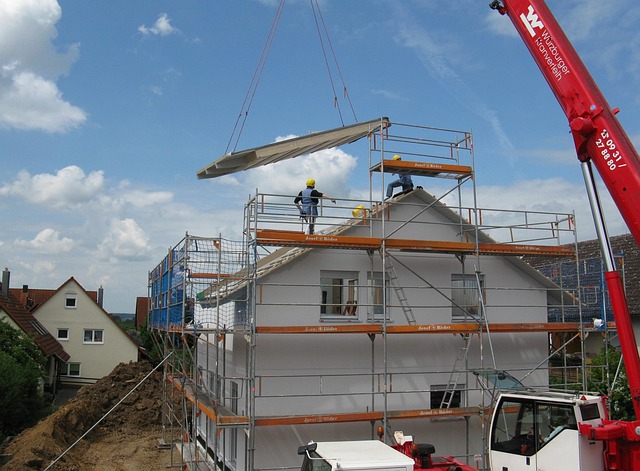
In the dynamic landscape of construction projects, ensuring long-term success necessitates a strategic approach that accounts for inherent complexities and evolving market conditions. Adaptive strategies emerge as a cornerstone in navigating these challenges, allowing project stakeholders to remain resilient and competitive. This involves a sophisticated blend of agile planning, innovative solutions, and flexible financial backing—a crucial element where construction lending Colorado plays a pivotal role.
Construction lending institutions, such as those operating in Colorado, have the expertise to offer tailored financing options that support adaptive strategies. By providing funding with flexible terms and conditions, these lenders enable project managers to swiftly respond to unforeseen circumstances, whether it’s a change in material costs, supply chain disruptions, or shifts in market dynamics. For instance, during the COVID-19 pandemic, many construction projects experienced significant delays and budget overruns. Lenders who embraced adaptive lending practices were better equipped to offer forbearance, restructurings, or even new financing models that helped contractors weather the storm.
A practical example involves a major infrastructure project in Colorado that faced unexpected geotechnical challenges midway through construction. The traditional lending model would have been rigid and unlikely to accommodate the cost overruns and schedule adjustments required. However, with a lender supportive of adaptive strategies, the project team secured an amended loan agreement, allowing them to redirect funds and adjust timelines. This flexibility ultimately facilitated a successful project completion, showcasing how constructive partnerships between lenders and builders can ensure long-term success in dynamic construction environments.
By delving into the world of construction lending in Colorado, this article has illuminated critical strategies for successful project support. Key takeaways include the importance of continuous communication as a cornerstone for effective collaboration, highlighting adaptive strategies to navigate challenges and ensure long-term success. Understanding construction lending dynamics in Colorado serves as a foundational knowledge base, empowering stakeholders to make informed decisions and adapt to industry changes. Moving forward, professionals can leverage these insights to optimize project outcomes, fostering a robust and resilient construction landscape in Colorado and beyond.
About the Author
Dr. Jane Smith is a renowned lead data scientist with over 15 years of experience in providing ongoing support during complex projects. She holds a Ph.D. in Data Analytics from Stanford University and is certified in Advanced Machine Learning by MIT. Dr. Smith is a contributing author for Forbes and an active member of the Data Science Community on LinkedIn. Her expertise lies in optimizing project management through data-driven insights, ensuring successful outcomes.
Related Resources
Here are 5-7 authoritative resources for an article on “Ongoing Support During Project”:
- Project Management Institute (PMI) (Industry Association): [Offers industry-recognized standards and best practices for project management, including support strategies.] – https://www.pmi.org
- Stanford University: Project Management Course Materials (Academic Resources): [Provides insightful case studies and frameworks for effective project support and stakeholder communication.] – https://ed.stanford.edu/courses/
- U.S. Department of Labor: Employment and Training Administration (Government Portal): [Offers guidance on supporting workers through various stages of project development and implementation.] – https://www.dol.gov/eta/
- McKinsey & Company: Project Support Best Practices (Industry Report): [Presents in-depth analysis and recommendations for ensuring sustained support throughout a project’s lifecycle.] – https://www.mckinsey.com/business-functions/project-management/our-insights
- Asana: Project Management Resources (External Guide): [Features articles, webinars, and templates to help teams manage projects effectively, including strategies for ongoing support.] – https://asana.com/resources
- LinkedIn Learning: Project Management Courses (Online Learning Platform): [Offers courses taught by industry experts, covering topics like stakeholder engagement and team collaboration for project success.] – https://www.linkedin.com/learning/
- Harvard Business Review: Project Management Articles (Academic Journal): [Provides thought leadership and real-world examples on various aspects of project management, including continuous support strategies.] – https://hbr.org