

Construction lending in Colorado is a robust and strategic sector, adapting to the state's diverse real estate market. Key aspects include:
– Risk Management: Lenders utilize advanced models for market trend analysis, project feasibility, and borrower creditworthiness, minimizing defaults.
– Growth & Options: Steady volume growth indicates investor confidence. Traditional banks and alternative lenders offer various financing options.
– Application Process: Strict criteria include business plans, construction expertise, financial projections, and collateral. Competitive markets may require market analysis.
– Mitigation Strategies: Lenders employ robust underwriting, data analytics, risk scoring models, and transparent communication to navigate project uncertainties.
– Post-Construction Financing: Homeowners and developers have options for repaying or refinancing construction loans, strategic decisions influenced by financial plans.
In the dynamic landscape of construction lending Colorado has emerged as a pivotal player, shaping the pace and direction of growth across various sectors. As development projects scale up, so does the complexity of securing funding, particularly in navigating the intricate world of real estate financing. This article delves into the core challenges faced by developers, investors, and lenders alike, unraveling the intricacies of construction lending. We offer an authoritative guide to unlocking capital, highlighting innovative strategies, and best practices that facilitate seamless transactions. By the end, readers will grasp the keys to navigating this intricate realm with confidence.
- Understanding Construction Lending in Colorado
- Evaluating Project Feasibility for Real Estate Finance
- Securing Funding: Lender Options in Colorado
- The Loan Application Process for Construction Projects
- Navigating Construction Lending Risks and Mitigation
- Post-Construction: Repayment and Refinancing Strategies
Understanding Construction Lending in Colorado

Construction lending in Colorado has evolved to meet the unique demands of a dynamic real estate market characterized by diverse landscapes and robust economic growth. Lenders in this state are adept at navigating the complexities of financing construction projects, from residential developments to commercial buildings. The landscape is further shaped by stringent environmental regulations, demanding safety standards, and a robust local economy, all of which influence lending practices and product offerings. For instance, many lenders have tailored their services to accommodate green building initiatives, recognizing the growing preference for sustainable construction methods among Colorado’s discerning property owners.
A key aspect of construction lending in Colorado is the emphasis on risk management. Lenders assess projects through a multi-faceted lens, considering market trends, project feasibility, and borrower creditworthiness. They employ sophisticated risk assessment models that factor in regional economic conditions, historical construction data, and industry forecasts. This proactive approach ensures that financing remains accessible while safeguarding lenders from potential defaults. According to recent data from the Federal Reserve Bank of Denver, construction lending volumes in Colorado have shown steady growth over the past five years, indicating a robust pipeline of projects and investor confidence in the state’s real estate market.
To facilitate smooth project execution, many lenders in Colorado offer comprehensive construction financing packages. These typically include disbursement accounts that tie funding to specific milestones, ensuring timely payments to contractors and suppliers. Lenders also provide expert guidance on cost estimation, budget monitoring, and risk mitigation strategies. For developers looking to embark on complex projects, partnering with a seasoned lender who understands the nuances of construction lending Colorado can significantly enhance project outcomes. By leveraging their expertise, developers can navigate regulatory hurdles, secure competitive financing terms, and ultimately deliver high-quality properties that meet the evolving needs of Colorado’s diverse population.
Evaluating Project Feasibility for Real Estate Finance

Evaluating project feasibility is a critical step in real estate finance, ensuring investments are sound and profitable. Construction lending Colorado and across the nation rely on thorough assessments to mitigate risks associated with market fluctuations, construction delays, and cost overruns. This process involves a multi-faceted approach, encompassing financial analysis, site evaluation, and legal considerations. For instance, lenders examine historical property values in the area to predict future trends while scrutinizing building plans for feasibility and safety compliance.
A key aspect is assessing the borrower’s ability to repay, examining their credit history and current financial obligations. Lenders often employ sophisticated models to forecast cash flow and potential returns, factoring in occupancy rates, rental income, and property management expenses. For commercial projects, market demand analysis becomes paramount, considering tenant needs and the competitive landscape. Data-driven insights enable lenders to gauge project viability and set realistic interest rates and terms.
Moreover, construction lending experts advocate for ongoing monitoring throughout the building process. Regular site visits, progress reports, and financial updates ensure borrowers remain on track. In Colorado’s dynamic real estate market, proactive risk management is vital. Lenders can minimize losses by identifying potential issues early, whether it’s construction delays caused by weather or unforeseen legal hurdles. This meticulous evaluation not only safeguards investments but also fosters trust between lenders and borrowers, promoting sustainable growth in the industry.
Securing Funding: Lender Options in Colorado

Securing funding is a critical step for anyone embarking on a real estate development project in Colorado. The state’s construction lending landscape offers diverse options, catering to various project types and sizes. Lenders in Colorado have recognised the growing demand for residential and commercial property, leading to an expansion of services tailored to meet these needs. From traditional banks to specialised mortgage lenders, developers have a multitude of choices when financing their projects.
One notable trend in construction lending Colorado is the increasing availability of non-traditional funding sources. Alternative lenders, often more agile and flexible than their mainstream counterparts, are attracting developers with faster approval times and innovative loan products. These options can be particularly beneficial for smaller projects or those requiring non-standard financing structures. For instance, hard money loans have gained popularity due to their ability to provide quick funds, making them ideal for short-term, high-return investments. Moreover, local credit unions and community banks often offer competitive rates and customised solutions, fostering a sense of partnership with area developers.
When selecting a lender, Colorado developers should consider factors such as interest rates, loan terms, and the lender’s expertise in handling construction projects. It is advisable to compare multiple offers and choose a lender aligned with their project’s specific needs. Data from recent years indicates that a proactive approach to financing can significantly impact project success. Developers who secure pre-approval for construction loans before breaking ground often have an advantage in securing the best terms, ensuring they can navigate potential market fluctuations during construction. This strategic move can lead to better access to capital and, ultimately, smoother project execution.
The Loan Application Process for Construction Projects

The loan application process for construction projects in Colorado is a meticulous procedure designed to ensure responsible lending within the state’s robust construction sector. Potential borrowers must navigate a series of steps that go beyond standard mortgage applications, given the unique nature and risks associated with construction financing. Lenders in Colorado carefully evaluate every aspect of a project, from feasibility studies to detailed financial projections, to mitigate risk and safeguard their investments.
Key components of a successful application include comprehensive business plans, demonstrated expertise in construction management, and a solid track record of similar projects. Prospective borrowers should be prepared to provide detailed cost estimates, timelines, and potential contingencies. Lenders often require extensive collateral documentation, such as property ownership evidence, architectural blueprints, and permits, to secure the loan. In competitive markets like Colorado, where construction lending is robust, applicants may also need to present a clear market analysis justifying the project’s viability.
Colorado’s construction lending landscape offers various financing options, including traditional bank loans, private equity investments, and government-backed programs tailored for real estate development. Lenders in this environment prioritize long-term sustainability and project completion rates. Borrowers with strong relationships and a history of successful projects often find themselves at an advantage during the application process. It’s crucial to engage experienced lenders who understand Colorado’s unique market dynamics, enabling applicants to secure funding that aligns with their construction goals while managing risks effectively.
Navigating Construction Lending Risks and Mitigation

Navigating Construction Lending Risks and Mitigation in Colorado requires a thorough understanding of the unique challenges inherent in this sector. In the competitive real estate market of Colorado, construction lending presents both significant opportunities and substantial risks for lenders and borrowers. One of the primary concerns is the high level of uncertainty associated with construction projects—cost overruns, delays, and changes in market conditions can significantly impact project outcomes. For instance, a 2021 study by the Federal Reserve Bank of New York revealed that construction loan defaults in Colorado rose by 15% during the pandemic, underscoring the need for robust risk management strategies.
Lenders mitigate these risks through meticulous underwriting processes, encompassing thorough project feasibility analysis, comprehensive financial modeling, and adequate collateral evaluation. In Colorado, where land and labor costs can fluctuate considerably, lenders must assess not only the financial viability of the project but also the stability of the construction market. This may involve analyzing historical trends, industry outlooks, and local economic factors. Additionally, leveraging advanced data analytics and risk scoring models can help lenders identify potential problem areas early in the lending process.
Another crucial aspect is ensuring clear communication and transparency between lenders and borrowers. Establishing open lines of dialogue allows for better management of expectations and prompt addressing of any emerging issues. Lenders should provide borrowers with detailed terms, conditions, and potential outcomes to foster trust and collaboration. Moreover, staying updated on regulatory changes and industry best practices ensures that lenders in Colorado can adapt their strategies, further reducing construction lending risks. By adopting these proactive measures, lenders can effectively navigate the complexities of construction financing in Colorado, fostering a more robust and resilient real estate market.
Post-Construction: Repayment and Refinancing Strategies
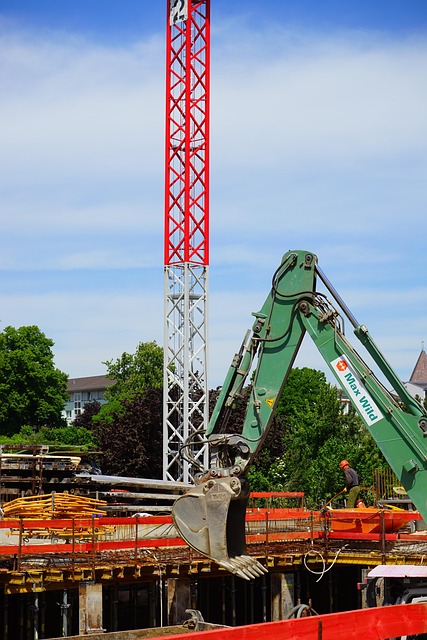
Post-construction repayment and refinancing strategies are critical components of real estate financing, especially in dynamic markets like Colorado. Construction lending in Colorado is renowned for its robust support of residential and commercial projects, but managing debt effectively post-completion requires careful planning. Once a project nears completion, homeowners and developers must assess their financial position and decide whether to pay off their construction loan or explore refinancing options tailored to their needs.
For many, repayment begins once the property is occupied and generating income. This strategy aligns with traditional mortgage terms, offering fixed rates and predictable monthly payments. In Colorado’s real estate landscape, where values can fluctuate seasonally, a stable repayment plan is invaluable. For instance, a homeowner who completes a renovation project in time for the summer rental season can anticipate higher occupancy rates, facilitating faster loan repayment. Refinancing, on the other hand, allows borrowers to capitalize on changing market conditions, such as declining interest rates. In recent years, data from Colorado’s housing market has shown that strategic refinancing can lead to significant savings, with some homeowners reducing their interest expenses by 1-2 percentage points through refi programs like cash-out refinances or rate and term adjustments.
However, not all refinancing scenarios are created equal. Borrowers must weigh the benefits against potential costs, including closing fees and prepayment penalties. Expert advice suggests assessing one’s financial horizon—are you planning to stay in the property long-term? If so, a longer refinance term might be suitable. Conversely, if plans include selling within a few years, a shorter-term refinance could optimize savings without incurring excessive fees. Ultimately, understanding construction lending dynamics in Colorado and consulting with financiers who specialize in post-construction financing strategies is key to making informed decisions that support long-term financial health.
By exploring key aspects of construction lending Colorado has become a hub for understanding diverse financing options for real estate projects. From assessing project feasibility to navigating risks and post-construction strategies, this comprehensive guide empowers stakeholders. Key insights include evaluating market trends and property values, understanding lender criteria, and streamlining the application process. Moreover, recognizing potential risks and implementing mitigation measures is vital for successful construction lending in Colorado. Armed with this knowledge, readers can make informed decisions, ensuring their projects are funded effectively while minimizing challenges along the way.