

Construction lending in Colorado is a dynamic sector driving economic growth through specialized financing for residential, commercial, and industrial projects. Lenders assess project viability using KPIs like cost per square foot and ROI, mitigating risks with data analytics and strategies including portfolio diversification and flexible terms. The booming market, fueled by strong economy and green initiatives, presents opportunities for investors tracking industry shifts.
“Uncover the intricacies of construction lending in Colorado through this comprehensive financial analysis. We guide you through the key components that underpin successful investments in this dynamic sector. From understanding the unique landscape of construction financing in Colorado to assessing and mitigating risks, this article offers valuable insights.
Explore market trends shaping investment opportunities and learn strategies to navigate fluctuations. Whether you’re a seasoned investor or new to construction lending, this deep dive promises to enhance your knowledge and inform your next move in Colorado’s thriving construction market.”
- Understanding Construction Lending in Colorado
- Key Components of Financial Analysis
- Risk Assessment and Mitigation Strategies
- Market Trends and Their Impact on Investments
Understanding Construction Lending in Colorado

Construction lending in Colorado plays a pivotal role in shaping the state’s ever-evolving landscape. This unique sector caters specifically to the financing needs of builders, developers, and contractors, facilitating the creation of new residential, commercial, and industrial projects. The market is characterized by specialized loans designed to cover the costs associated with construction, including land acquisition, labor, materials, and various professional services.
Colorado’s construction lending environment is influenced by factors such as robust economic growth, a thriving real estate market, and a supportive regulatory framework. Lenders offer a range of options, from traditional bank mortgages to alternative financing methods tailored to the cyclic nature of construction projects. Understanding these dynamics is crucial for both borrowers and lenders, ensuring efficient navigation through the intricate labyrinth of construction lending in Colorado.
Key Components of Financial Analysis
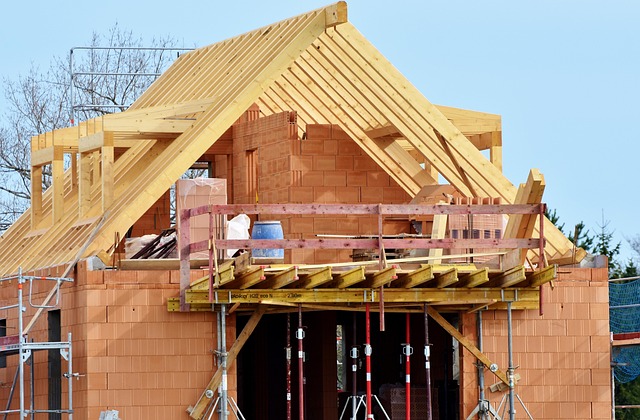
In the realm of construction lending Colorado, a comprehensive financial analysis is vital for evaluating potential projects and mitigating risks. Key components include a thorough review of financial statements, such as balance sheets, income statements, and cash flow statements, to gain insights into the borrower’s financial health and stability. This involves assessing the borrower’s revenue streams, expenses, debt obligations, and overall liquidity position.
Additionally, the analysis delves into key performance indicators (KPIs) specific to the construction industry, such as cost per square foot, project completion rates, and return on investment (ROI). By examining these metrics, lenders can better understand the efficiency and profitability of past projects, anticipating future performance and adjusting lending terms accordingly. Such a comprehensive approach ensures informed decision-making in the dynamic landscape of construction lending Colorado.
Risk Assessment and Mitigation Strategies

In the realm of construction lending Colorado, risk assessment is a cornerstone of any financial analysis. Lenders must meticulously evaluate projects to identify potential hazards, from market volatility to unforeseen construction delays. By employing robust risk assessment models and data analytics, lenders can predict and mitigate these risks effectively. This proactive approach ensures stability for both the lender and the borrower, fostering a sustainable environment for growth in the construction industry.
Mitigation strategies often involve diversifying project portfolios, implementing strict compliance checks, and staying abreast of regulatory changes. Lenders may also offer flexible loan terms and tailored insurance solutions to safeguard against specific risks. By adopting these measures, construction lending institutions in Colorado can navigate market fluctuations with confidence, ensuring projects are completed successfully while safeguarding financial interests.
Market Trends and Their Impact on Investments

The construction industry in Colorado has been experiencing a significant upswing, driven by a robust market for both commercial and residential projects. This growth is a testament to the state’s thriving economy and attracting investors seeking lucrative opportunities. Market trends play a pivotal role in shaping investment strategies within the construction lending landscape of Colorado. For instance, rising demand for housing has fueled construction lending, with low-interest rates further stimulating this sector.
Investor decisions are increasingly influenced by sustainable building practices and green initiatives. As such, developers are embracing eco-friendly construction methods, which not only cater to environmentally conscious buyers but also offer long-term financial benefits. These trends highlight the dynamic nature of Colorado’s construction lending market, where staying abreast of industry shifts is essential for investors aiming to make informed decisions and capitalize on emerging opportunities in the state’s thriving construction sector.
Comprehensive financial analysis is essential for navigating the complex landscape of construction lending in Colorado. By understanding key components, assessing risks, and staying abreast of market trends, investors can make informed decisions that drive success in this dynamic sector. Construction lending in Colorado, with its unique opportunities and challenges, requires a meticulous approach, ensuring both robust growth and prudent risk management.