
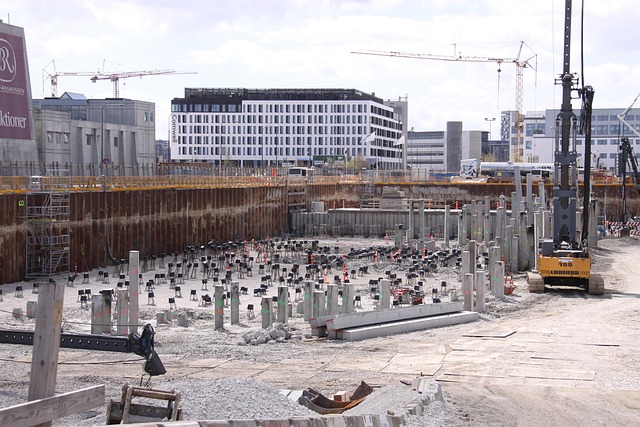
Construction lending Colorado is a dynamic sector driving economic growth through specialized financing for commercial and residential projects. Lenders navigate risks with flexible solutions, stay informed about industry trends, and build relationships to ensure project success. The diverse financing landscape includes traditional construction loans, permanent financing, jumbo loans, and government-backed programs. Borrowers need strong financial documentation and collaboration for approval. Successful real estate strategies involve long-term sustainability, data analysis, and portfolio diversification. Technological advancements like digital platforms, alternative data scoring, and blockchain integration are transforming the sector, requiring lenders to invest in innovation for competitiveness.
In the dynamic landscape of construction lending Colorado stands as a cornerstone for economic growth and infrastructure development. Real estate financing, a vital component within this domain, has evolved to meet the ever-changing demands of developers, builders, and investors. Navigating the intricate web of construction loans requires an understanding of market dynamics, risk assessment, and access to flexible funding options. This article delves into the intricacies of real estate financing, offering insights that cater to both seasoned professionals and those new to this complex yet rewarding field. By exploring best practices, emerging trends, and innovative solutions, we aim to equip readers with the knowledge necessary to thrive in today’s competitive construction lending environment.
- Understanding Construction Lending in Colorado
- Types of Real Estate Financing Options
- Navigating Loan Requirements & Qualifications
- Building a Strong Real Estate Investment Strategy
- The Future of Real Estate Financing Trends
Understanding Construction Lending in Colorado

In the dynamic landscape of real estate financing, construction lending Colorado stands out as a critical sector, playing a pivotal role in shaping the state’s ever-evolving urban tapestry. This specialized form of lending is tailored to support the development phase of commercial and residential projects, fostering growth and innovation. Construction loans in Colorado are designed to fund the construction or renovation of properties, offering flexible terms and customized solutions to developers and builders.
Colorado’s robust construction lending market is fueled by a combination of factors. The state’s booming economy, driven by industries like technology and energy, has created a steady demand for new commercial spaces and residential neighborhoods. This surge in development activities presents both opportunities and challenges for lenders. They must carefully assess project feasibility, mitigate risks associated with construction delays or cost overruns, and provide timely funding to ensure projects stay on track. For instance, the recent trend towards sustainable and energy-efficient building practices has introduced new lending considerations, as developers seek financing for green construction technologies.
Lenders in Colorado employ various strategies to navigate this dynamic sector. They offer a range of loan products, including construction-to-permanent loans, which provide funding during the construction phase and convert to traditional mortgages upon completion. Additionally, they may utilize progress billing or draw schedules, allowing builders to access funds as specific milestones are reached, ensuring efficient cash flow management. Expert lenders in Colorado also stay abreast of industry trends, regulatory changes, and market fluctuations to adapt their lending practices accordingly. By fostering strong relationships with developers, architects, and contractors, these institutions can offer tailored advice and financing options, contributing to the successful completion of iconic construction projects across the state.
Types of Real Estate Financing Options

The landscape of real estate financing is diverse, offering various options tailored to different stages of property development and investor profiles. In vibrant markets like Colorado, construction lending plays a pivotal role in fueling growth. This type of financing is designed to support developers and builders during the initial phases of a project, covering significant expenses such as land acquisition, architectural designs, permitting, and material procurement. For instance, traditional construction loans in Colorado often include a draw schedule, where lenders disburse funds in stages as specific milestones are achieved, ensuring responsible spending.
Beyond construction lending, other financing options cater to distinct needs. Permanent financing, for example, provides long-term funding after the construction phase. This type of loan is typically fixed-rate and amortized over an extended period, offering stability and predictability. In Colorado’s real estate market, where property values can fluctuate, a permanent financing strategy allows homeowners and investors to lock in favorable interest rates, safeguarding against potential future increases. Additionally, jumbo loans cater to high-value properties, addressing unique requirements for premium real estate assets.
Another notable option is the use of government-backed loans, such as those insured by Fannie Mae or Freddie Mac. These programs are designed to promote homeownership and provide access to financing for a broad range of borrowers. In Colorado’s competitive housing market, where demand often surpasses supply, these loan options can be particularly beneficial, offering lower down payment requirements and more flexible criteria. For investors, the ability to leverage these financing mechanisms can open doors to diverse investment opportunities, contributing to the state’s dynamic real estate tapestry.
Navigating Loan Requirements & Qualifications

Navigating Loan Requirements & Qualifications in Construction Lending Colorado
In the competitive landscape of construction lending Colorado, understanding loan requirements and qualifications is paramount for both lenders and borrowers. The process involves a meticulous review of project feasibility, financial health of the borrower, and the underlying property’s value. Lenders typically require detailed business plans, financial projections, and collateral to mitigate risk. For instance, in 2022, Colorado’s construction lending market experienced a surge in demand for commercial projects, pushing lenders to adopt stringent criteria to manage portfolio risks.
Borrowers should anticipate comprehensive documentation, including tax returns, balance sheets, and cash flow statements. Lenders assess these documents to verify the borrower’s creditworthiness and ability to repay the loan. A strong credit history and solid financial reserves significantly improve loan approval chances. For example, a construction project in Denver required a $10 million loan, and the successful borrower presented robust financial records showcasing stable revenue streams and ample liquidity, which impressed lenders and secured funding.
Moreover, lenders carefully scrutinize the project’s specifics, such as design plans, timelines, and potential challenges. Construction lending Colorado specialists often collaborate with architects, engineers, and contractors to ensure feasibility and cost accuracy. This collaborative approach not only enhances loan decisions but also contributes to successful project outcomes. Borrowers should be prepared to provide detailed construction schedules, material specifications, and potential risk mitigation strategies to demonstrate a thorough understanding of the project’s complexities.
Building a Strong Real Estate Investment Strategy

Building a robust real estate investment strategy involves careful navigation through various financing options, particularly in dynamic markets like Colorado. Construction lending Colorado offers unique advantages, but it requires meticulous planning and understanding of market trends. Investors who succeed in this space often focus on long-term sustainability, leveraging data to identify emerging neighborhoods with high growth potential. For instance, a recent study by the Denver Metro Chamber of Commerce revealed that areas near public transportation hubs experienced 10% higher property values within three years, underscoring the importance of strategic location in construction lending investments.
A key aspect is diversifying portfolios to mitigate risk. This might include investing in commercial properties, residential developments, or mixed-use projects, each presenting distinct financial profiles and risk levels. For instance, multi-family residences often offer steady income streams with relatively lower volatility compared to high-end commercial real estate. Construction lending Colorado specialists recommend a balanced approach, considering factors like local employment rates, infrastructure development, and demographic shifts. Actively monitoring these trends allows investors to make informed decisions, ensuring their strategies remain competitive in an ever-evolving market.
Expert advice emphasizes the significance of strong relationships with lenders who specialize in construction lending Colorado. Access to exclusive financing options and tailored guidance can significantly impact project outcomes. Moreover, staying abreast of regulatory changes is vital; understanding and adhering to local zoning laws and building codes can prevent costly delays or legal issues. By combining thorough market analysis, strategic financing, and expert partnerships, real estate investors position themselves for successful ventures, capitalizing on the vibrant construction lending landscape in Colorado.
The Future of Real Estate Financing Trends

The landscape of real estate financing is undergoing a metamorphosis driven by technological innovations, shifting market dynamics, and evolving consumer preferences. In construction lending Colorado, as well as globally, lenders are increasingly adopting digital platforms to streamline processes like loan origination, underwriting, and closings. This trend not only enhances efficiency but also opens doors for non-traditional lenders to enter the market, diversifying financing options for both developers and homebuyers. For instance, online lenders in the US have seen a surge in popularity, capturing 12% of the mortgage market in 2021, up from just 3% in 2015 (National Association of Realtors).
One prominent trend gaining traction is the rise of alternative data and scoring models. Traditional lending criteria often rely heavily on credit scores and financial statements, limiting access to financing for individuals or businesses lacking a robust credit history. However, with advancements in data analytics, lenders can now leverage non-traditional data sources like mobile phone usage, social media activity, and online rental records to assess risk more accurately. This shift is particularly significant in construction lending Colorado, where project viability often hinges on unforeseen factors that traditional methods might overlook.
Moreover, the integration of blockchain technology promises to revolutionize real estate transactions by enhancing transparency, security, and speed. Smart contracts, for instance, can automate processes like title registration and property transfers, reducing paperwork and potential fraud. As construction lending Colorado embraces these innovations, lenders have the opportunity to create more efficient, secure, and accessible financing solutions for all stakeholders in the industry. To stay ahead of the curve, financial institutions should invest in digital infrastructure, explore alternative data sources, and foster a culture of innovation that encourages experimentation with cutting-edge technologies.
Real estate financing, as explored in this article, is a multifaceted landscape, with construction lending in Colorado playing a pivotal role. Key takeaways include understanding the diverse financing options available, navigating stringent loan requirements, and crafting a robust investment strategy. The article highlights that while challenges exist, such as strict qualifications and market fluctuations, proactive measures like staying informed about trends and leveraging technology can mitigate risks. By embracing these insights, investors can navigate construction lending in Colorado effectively, fostering strong returns and ensuring long-term success. Practical next steps include consulting with financial advisors to tailor strategies, exploring alternative financing methods, and staying abreast of industry developments to capitalize on emerging opportunities.