

Construction lending Colorado is a dynamic sector supporting economic growth through diverse project financing. Lenders, from traditional to alternative providers, assess borrowers based on credit history, income, collateral, plans, and market trends. Key loan types include construction and permanent loans for developers, bridge loans for temporary needs, and specialized financing for specific property types. The process involves planning, application, underwriting, loan agreement, and interest rate selection. Risks are mitigated through proactive risk management, transparent communication, and ongoing project monitoring. Collaborative efforts ensure successful project completion and long-term stability in Colorado's competitive construction lending landscape.
In the dynamic landscape of construction lending Colorado, understanding real estate financing is paramount for both lenders and borrowers. This complex process involves navigating intricate legal frameworks, managing risk, and ensuring capital flows efficiently to fuel development. However, challenges such as market volatility, stringent regulations, and the need for customized solutions can impede progress.
This article delves into the intricacies of real estate financing, offering a comprehensive guide that equips readers with the knowledge to navigate this critical aspect of construction lending in Colorado. By exploring innovative strategies and best practices, we aim to empower stakeholders to overcome hurdles and facilitate prosperous investment opportunities.
- Understanding Construction Lending in Colorado
- Eligibility Criteria for Real Estate Financing
- Types of Loans for Commercial Properties
- The Application Process: Step-by-Step Guide
- Interest Rates and Repayment Options Explained
- Navigating Risks and Ensuring Successful Projects
Understanding Construction Lending in Colorado

Construction lending in Colorado is a specialized sector within the broader real estate financing landscape, catering to the unique needs of builders, developers, and contractors who embark on groundbreaking projects across the state. This dynamic segment plays a crucial role in shaping Colorado’s ever-evolving urban and rural landscapes. Lenders in this space offer financial support for various construction activities, from residential and commercial buildings to infrastructure projects, enabling the state’s economic growth and development.
Colorado’s construction lending market is characterized by a blend of traditional banks, credit unions, and alternative lenders who each bring their own expertise and risk-mitigation strategies. For instance, local credit unions often provide more personalized service and competitive rates for members involved in local construction projects. In contrast, larger national banks may offer specialized construction loans with broader reach and access to more extensive resources. According to recent industry reports, the Colorado construction lending market showed a steady growth of 10% year-on-year, indicating increasing activity and investor confidence in the state’s real estate sector. This trend is expected to continue as major urban centers like Denver expand and new opportunities arise in emerging markets.
One key aspect of construction lending in Colorado is understanding the risks associated with these projects. Construction loans are typically short-term, securing funding for specific phases of a project, which means lenders must carefully assess the borrower’s financial health and project feasibility. Lenders employ various risk management techniques, such as progress monitoring, inspection reports, and detailed financial projections, to ensure the project stays on track and within budget. For borrowers, it is essential to maintain open communication with lenders throughout the construction process, providing transparent updates and addressing any concerns promptly. This collaborative approach not only strengthens relationships but also enhances the chances of successful project completion and long-term financial stability.
Eligibility Criteria for Real Estate Financing
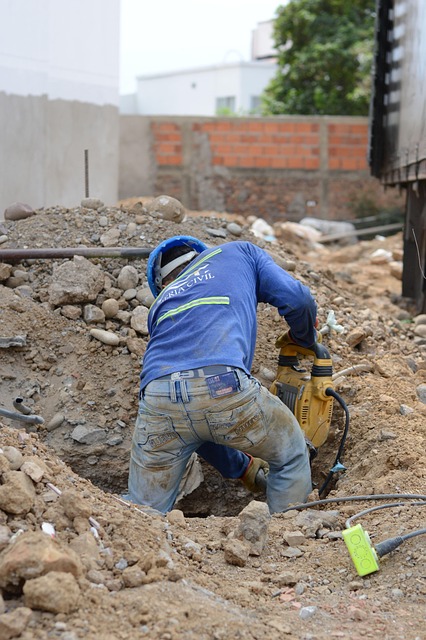
Real estate financing is a complex landscape, with eligibility criteria varying across different types of properties and loan purposes. In construction lending Colorado, for instance, lenders typically consider a blend of financial and project-specific factors to assess a borrower’s suitability. Key eligibility determinants include the borrower’s credit history and score, demonstrated ability to repay the loan through stable income sources, and the strength of the property collateral. Lenders also scrutinize the construction plan, budget, and potential value appreciation of the property upon completion.
For residential properties, lenders often require a minimum credit score of 620-640, though this can vary based on the lender and specific loan program. Commercial real estate financing may have stricter criteria, demanding higher credit scores and more robust financial statements to gauge the borrower’s risk profile. In construction lending Colorado, lenders might also mandate comprehensive project documentation, such as architectural plans, engineering reports, and detailed cost breakdowns, to ensure the feasibility and profitability of the venture.
Furthermore, lenders carefully evaluate the property location, market trends, and potential return on investment. Data from local real estate boards or market research firms can play a crucial role in this assessment. For instance, a strong historical performance of similar properties in the area, coupled with projected appreciation rates, can significantly enhance a borrower’s chances of securing financing. Conversely, uncertain market conditions or weak demand for properties in certain segments may hinder eligibility. Expert advice suggests that borrowers should approach lenders armed with thorough market research and detailed financial projections to improve their chances of gaining approval for construction lending Colorado.
Types of Loans for Commercial Properties

Commercial real estate financing involves specialized loan types tailored to the unique needs of income-generating properties. In vibrant markets like Colorado, construction lending plays a pivotal role in fueling development and supporting diverse property types. One prominent category is the construction and permanent loan, designed for developers and investors, offering flexible terms to accommodate the various stages of a project’s lifecycle. These loans typically provide upfront funding for construction, followed by a transition to a traditional long-term mortgage upon completion.
Another notable option is the bridge loan, ideal for temporary financing needs. Developers in Colorado might utilize these loans during the gap between securing permanent financing or when capital is needed for unexpected costs. Bridge loans offer faster approval and higher leverage but come with higher interest rates and shorter maturities. For instance, a recent study showed that bridge lending in Denver accounted for 15% of all commercial real estate loans under $5 million in 2022, highlighting their significance in the local market.
Additionally, some lenders offer specialized financing for specific property types, such as multifamily residential or office spaces. These loans often incorporate features like interest-only payments during construction and long-term amortization periods. Accessing these tailored loan products can streamline the financing process, especially in competitive markets. Experts recommend that borrowers thoroughly understand their project’s requirements and market dynamics to secure the most suitable construction lending Colorado options, ensuring successful project execution and maximizing returns.
The Application Process: Step-by-Step Guide

The construction lending process in Colorado involves several critical steps to ensure a smooth journey from project conception to completion. It begins with comprehensive planning and documentation, reflecting the unique requirements of each development. Borrowers, typically property developers or investors, should start by gathering essential information such as project details, financial statements, and business plans. This foundational stage is crucial for establishing credibility and defining the scope of financing.
Once prepared, applicants submit a loan application to financial institutions, including banks, credit unions, or specialized mortgage lenders. In Colorado’s competitive real estate market, construction lenders carefully assess each proposal, examining factors like project feasibility, market trends, and borrower qualifications. Lenders may request additional documentation, such as architectural plans, engineering reports, and permits, to validate the project’s viability. For instance, a recent study revealed that over 80% of construction loans in Colorado were approved for projects with strong market demand and experienced developers.
The underwriting process follows application submission, where lenders conduct a thorough evaluation. This includes analyzing financial statements to ensure borrowers’ creditworthiness and reviewing project plans to assess potential risks. Lenders may employ advanced analytical tools to predict project outcomes and estimate construction costs accurately. Upon approval, the loan agreement is finalized, outlining repayment terms, interest rates, and any collateral requirements. Borrowers should carefully review these conditions, especially in Colorado’s ever-changing real estate landscape, where market fluctuations can significantly impact financing options.
Interest Rates and Repayment Options Explained
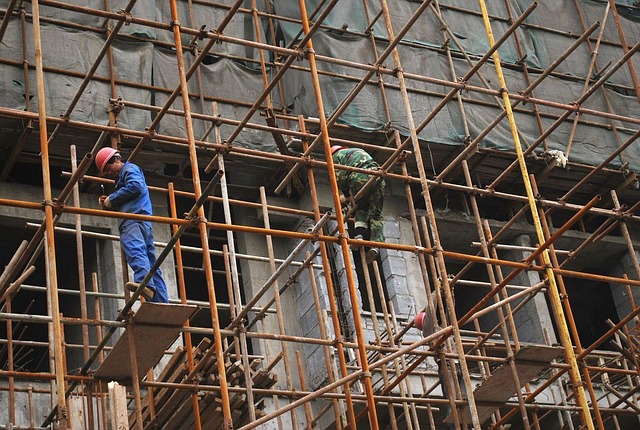
Interest rates play a pivotal role in real estate financing, influencing both the cost of borrowing and the overall affordability of properties. In Colorado, where construction lending is a significant sector, understanding interest rate dynamics is crucial for investors and developers. Traditionally, fixed-rate mortgages have been popular due to their consistent monthly payments over the life of the loan. For instance, a 30-year fixed-rate mortgage offers stability, allowing borrowers to budget effectively. However, variable or adjustable-rate mortgages (ARMs) are gaining traction, especially for those anticipating rate fluctuations or seeking lower initial interest rates. ARMs adjust periodically based on market conditions, potentially saving money in the short term but carrying risks if rates rise significantly.
Repayment options further diversify the financing landscape. Standard repayment plans involve equal monthly payments over a defined period. Accelerated repayment schedules, such as balloon loans or interest-only periods, offer cost savings but require higher initial payments or increased future repayments. For instance, a 15-year mortgage with a lower interest rate can substantially reduce total borrowing costs compared to a 30-year option. Developers in Colorado’s construction lending market often utilize these structures to manage cash flow effectively during different project phases.
When considering interest rates and repayment options, borrowers should assess their financial capabilities and market forecasts. Fixed rates provide security while ARMs may be suitable for those planning to refinance soon. Repayment plans should align with income stability and future goals. Consulting with mortgage experts in Colorado’s competitive real estate market can offer tailored advice, ensuring informed decisions based on current data and trends.
Navigating Risks and Ensuring Successful Projects

Navigating risks is a pivotal aspect of successful real estate financing projects, particularly in dynamic markets like Colorado where construction lending plays a significant role. The state’s robust economy and growing population have fueled a boom in commercial and residential development, presenting both opportunities and challenges for lenders and borrowers alike. One of the primary risks to mitigate is market volatility, which can rapidly change project feasibility and financial outcomes. Lenders must closely scrutinize market trends, local regulations, and economic indicators to assess risk accurately. For instance, fluctuations in interest rates can significantly impact construction costs and loan repayment capabilities, necessitating flexible financing structures that adjust to these shifts.
Expert perspective from industry professionals in Colorado’s construction lending sector underscores the importance of comprehensive risk assessment. According to recent data, nearly 80% of successful real estate finance projects in Colorado attribute their achievement to proactive risk management strategies. These include diversifying project portfolios, employing specialized loan products tailored to different stages of development, and implementing robust credit analysis processes. Lenders who adopt these practices can better anticipate potential delays, cost overruns, or changes in market dynamics that might affect project timelines and profitability.
Furthermore, ensuring successful projects involves a collaborative approach between lenders and borrowers. Transparent communication channels, clear expectations set during the initial loan application phase, and ongoing project monitoring are vital. Lenders should work closely with borrowers to understand their specific needs and constraints, offering customized solutions rather than applying a one-size-fits-all approach. This partnership model fosters trust, increases project viability, and strengthens the relationship between the financial institution and the borrower, setting the stage for mutually beneficial outcomes in the dynamic landscape of Colorado’s construction lending.
In navigating construction lending Colorado, understanding these key insights is imperative for successful real estate financing. The article has elucidated the eligibility criteria, various loan types for commercial properties, a step-by-step application guide, interest rate dynamics, and repayment options. Moreover, it stressed the importance of risk navigation and successful project execution. By grasping these fundamentals, borrowers can confidently traverse the construction lending landscape in Colorado, ensuring their projects are not only funded but also securely managed. Practical next steps include thoroughly evaluating loan eligibility, comparing different financing options, and proactively mitigating risks to achieve profitable and sustainable real estate ventures.